Myotherapy
Myotherapy is a form of physical therapy focused on assessing, treating, and managing musculoskeletal conditions — the muscle, joint, and nerve problems that cause pain and limit how you move.
When these structures are injured, overworked, or out of balance, it can affect everything from how you sleep, to how you work, to how you perform in sport. Myotherapy aims to identify what's driving that pain and get you back to moving well
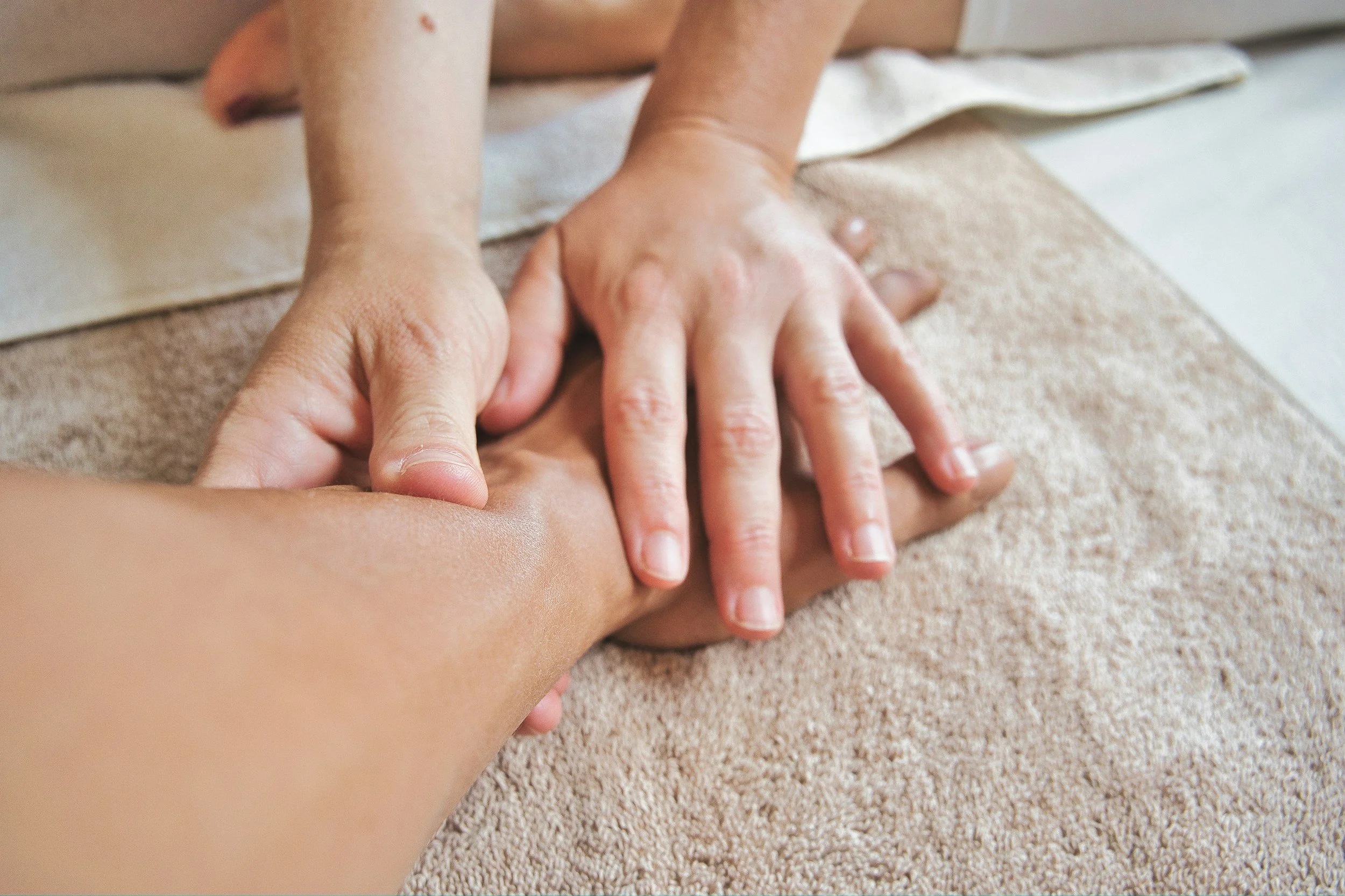
Myotherapy
-
Your body is unique — your treatment should be too.
I take a patient-centred approach to myotherapy, because no two bodies, injuries, or goals are the same. Before anything else, I take the time to understand you: your pain history, lifestyle, movement patterns, and what you want to get back to doing.
Rather than chasing symptoms, I focus on finding the root cause of your pain — whether it's something new or something you've been managing for years. Treatment combines hands-on manual therapy with movement and strength-based rehabilitation, tailored entirely to you.
-
Deep Tissue Massage
Targeted manual pressure applied to deeper layers of muscle and fascia to release chronic tension, break down adhesions, and restore normal tissue mobility. Technique and depth are adjusted throughout the session based on your feedback and tissue response.
Trigger Point Therapy
Trigger points are hyperirritable spots in muscle tissue that refer pain to other areas of the body. Myotherapists are trained to locate and systematically treat these points using sustained manual pressure, releasing the referred pain patterns that often confuse and frustrate patients seeking answers.
Myofascial Release
A sustained, low-load stretch applied to the fascial system — the connective tissue network that envelops every muscle, bone, and organ in the body. Myofascial release addresses restrictions in this system that contribute to pain, postural dysfunction, and limited movement.
Dry Needling
Fine acupuncture needles are inserted into trigger points or areas of muscle dysfunction to stimulate a healing response, reduce pain sensitivity, and release tight tissue. Dry needling is performed only by appropriately trained practitioners, with your full consent, and is not the same as traditional acupuncture.
Cupping Therapy
Suction cups applied to the skin create negative pressure to lift soft tissue, promote circulation, and release fascial restrictions. Both stationary and dynamic cupping techniques are used depending on the treatment goal. Temporary skin marking post-treatment is normal and resolves within days.
Joint Mobilisation
Gentle, passive movement applied to a joint within or at the limits of its normal range. Joint mobilisation reduces stiffness, restores normal arthrokinematics, and decreases pain — without the high-velocity manipulation associated with chiropractic adjustment.
Stretching & PNF
Proprioceptive Neuromuscular Facilitation (PNF) stretching uses cycles of contraction and relaxation to achieve greater muscle length gains than passive stretching alone. It is especially effective for improving functional range of motion in stubborn or chronically tight areas.
Rehabilitative Exercise
Targeted exercises prescribed as part of your treatment plan to address the strength deficits, movement patterns, and postural habits that contribute to your condition. Home exercise programs are a core part of myotherapy care — not an afterthought.
TENS & Thermal Therapy
Transcutaneous Electrical Nerve Stimulation (TENS), heat packs, and ice therapy are used adjunctively to manage acute pain, reduce inflammation, facilitate tissue relaxation, and prepare the body for manual therapy. These passive tools complement, but never replace, active treatment.
-
Lower Back Pain: Including disc issues, sacroiliac dysfunction, and lumbar muscle strain
Neck Pain & Stiffness: Postural neck pain, headache, and whiplash-associated disorder
Headaches & Migraines: Tension-type headaches and those with a cervical or muscular contributing factor
Shoulder Pain: Rotator cuff issues, impingement, frozen shoulder, and AC joint pain
Hip & Glute Pain: Greater trochanteric pain, hip flexor tightness, and piriformis syndrome
Knee Pain: Patellofemoral syndrome, ITB syndrome, and peri-patellar soft tissue issues
Plantar Fasciitis: Heel and arch pain arising from plantar fascial irritation and calf tightness
Tennis & Golfer's Elbow: Lateral and medial epicondylalgia from repetitive strain or overuse
Sciatica & Nerve Pain: Referred lower limb pain with a soft tissue or piriformis contributing factor
TMJ / Jaw Pain: Jaw clicking, locking, teeth grinding, and associated facial or ear pain
Sports Injuries: Muscle strains, ligament sprains, contusions, and overuse injuries across all sports
Postural & Occupational Pain: Repetitive strain, desk-related upper back pain, and occupational overuse syndrome
What to Expect
Your First appointment & beyond

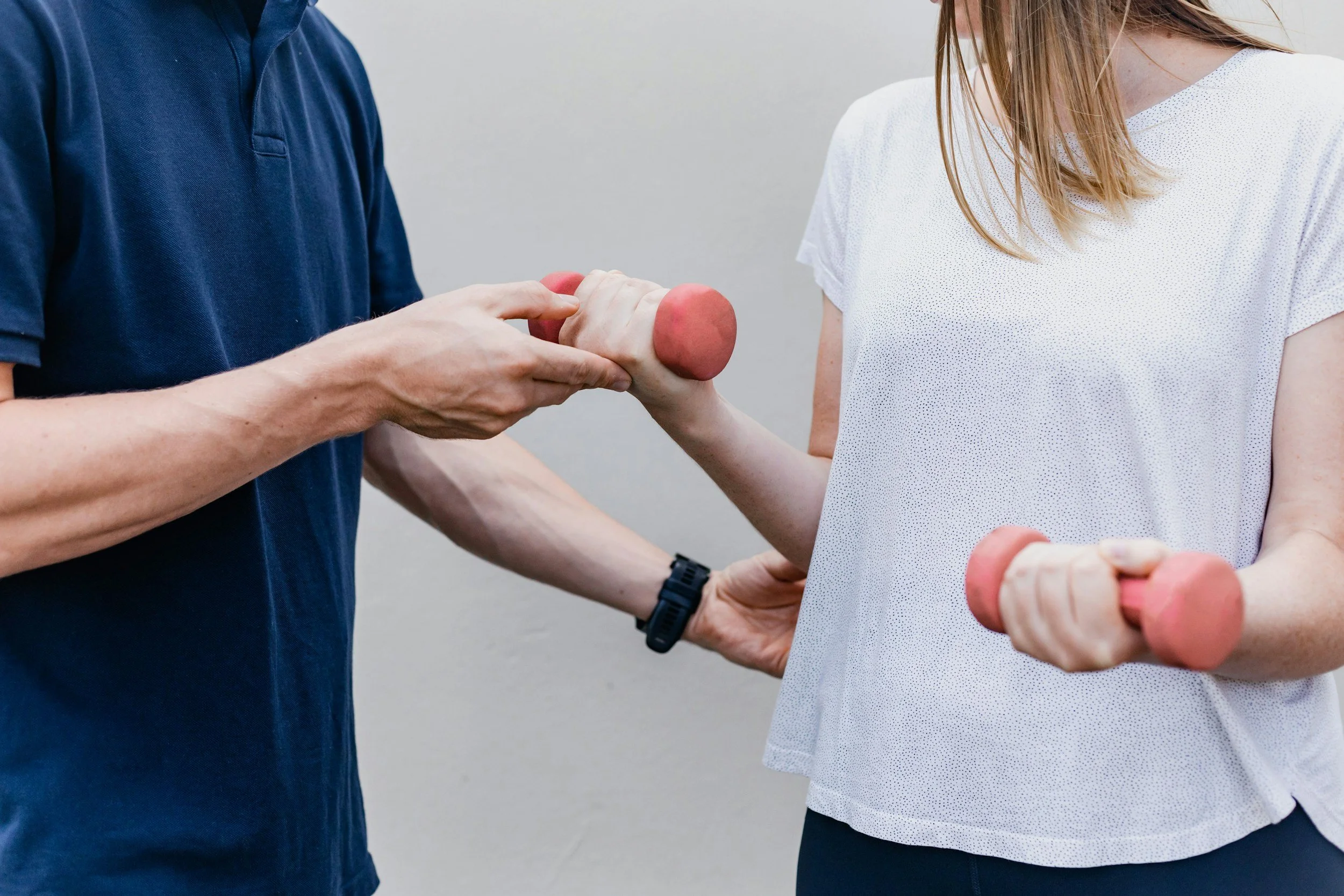
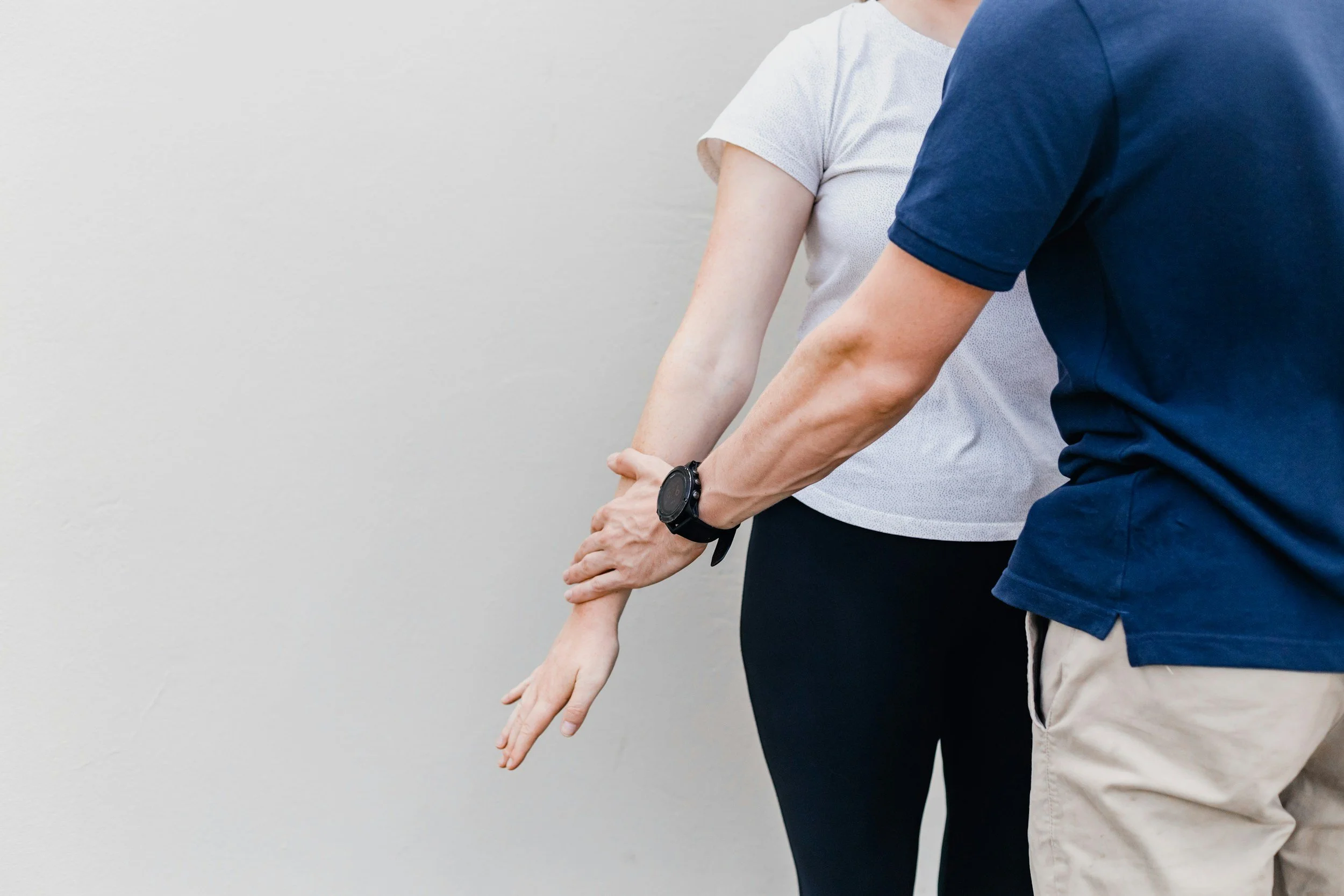
Tailored Treatment
Based on your assessment findings, your practitioner selects the most appropriate combination of techniques for your session. You are consulted throughout — your comfort, feedback, and preferences shape every treatment decision.
01Comprehensive Assessment
Your myotherapist takes a detailed history of your complaint, relevant medical background, lifestyle, and goals. This is followed by a postural and movement assessment to understand how your body is functioning — not just where it hurts.
02Ongoing Review
Return appointments build on previous sessions. Your myotherapist reassesses your progress, adapts your treatment, and progresses your exercise plan. The goal is always to help you need us less — not more.
03Take-Home Plan
Every treatment is supported by practical advice — stretches, strengthening exercises, and postural or lifestyle adjustments to reinforce the work done in clinic and reduce the likelihood of your symptoms returning.
04Frequently Asked Questions
-
No referral is needed to book directly with us.
-
Some techniques — particularly deep tissue work on tight or irritated muscle tissue and trigger point therapy — can produce a sensation that is often described as a "good hurt": therapeutic discomfort that is intense but tolerable, and distinct from sharp or sharp pain. You are always in control of the pressure and intensity. Your myotherapist will check in regularly, and you should feel comfortable telling them to adjust at any time. Any post-treatment soreness typically resolves within 24–48 hours
-
Wear or bring loose, comfortable clothing that allows access to the area being treated. For lower limb, hip, or lower back conditions, shorts are ideal. For upper back, neck, or shoulder issues, a singlet or loose top works well. Draping is used throughout treatment to ensure your comfort and privacy. You don't need to do anything special beforehand, but please avoid a heavy meal in the hour before your appointment.
-
This varies depending on your condition, how long you've had it, and your overall health. Some acute conditions may resolve in 1-3 sessions, while chronic issues might require ongoing treatment. Your myotherapist will discuss a recommended treatment plan during your initial consultation and adjust it based on your progress.
-
Standard appointments are 60 minutes for initial consultations and 45-60 minutes for follow-up treatments. We also offer 30-minute express sessions for specific maintenance work or focused treatment areas.
-
Yes — myotherapy is claimable under extras cover with most major private health funds, provided your policy includes myotherapy (not just remedial massage). Rebate amounts vary depending on your fund and level of cover. We offer HICAPS on-site so you can claim your rebate immediately at the point of payment. We recommend contacting your fund before your first appointment to confirm your entitlements and any annual limits.
-
We ask for a minimum of 24 hours' notice to cancel or reschedule your appointment. Late cancellations or missed appointments without notice may incur a fee. This policy allows us to offer the time to other patients on our waitlist. We understand that life can be unpredictable — if something comes up, please contact us as soon as possible and we'll do our best to accommodate you without a charge.
-
Yes, we treat patients of all ages. Our myotherapists are experienced in modifying techniques to suit different age groups and can provide gentle, effective treatment for both children and seniors.
-
Our clinic specialises in therapeutic and remedial treatment rather than relaxation massage. However, we do provide sports massage for athletes, pre-event preparation, and post-event recovery. If you're looking for general relaxation, we can recommend appropriate providers in the area
-
Yes, remedial massage is one of the core techniques used in myotherapy. All our practitioners are qualified in remedial massage and integrate it with other myotherapy techniques to provide comprehensive treatment.